

 English
 中文简体
中文简体 русский
Aerated Autoclaved Concrete (AAC) blocks are revolutionizing the construction industry with their lightweight nature, insulation properties, and eco-friendly benefits. By understanding the process, construction professionals can better appreciate the advantages and applications of AAC blocks in modern buildings.
Key Takeaways
- AAC blocks offer durable, lightweight, and eco-friendly solutions for construction.
- The process involves key steps such as raw material preparation, autoclaving, cutting, and quality checks to ensure consistent quality.
- Using recycled materials like fly ash helps reduce the environmental impact of the manufacturing process.
- AAC block production lines are integral to the efficient, high-quality production of these blocks.
What Are AAC Blocks?
AAC blocks are lightweight concrete blocks that contain tiny air pockets within their structure. These blocks are made from a mixture of sand, lime, cement, water, and an expansion agent (typically aluminum powder). The chemical reaction between aluminum powder and lime produces hydrogen gas, which forms the air pockets and gives AAC blocks their lightweight nature. These blocks are highly versatile and used in a variety of applications, including residential, commercial, and industrial buildings, due to their insulation properties and strength.
The advantages of AAC blocks include:
- Lightweight: Easy to handle and reduces the load on structures.
- Insulation Properties: Excellent thermal and sound insulation, reducing energy consumption.
- Eco-friendly: Made using recyclable materials such as fly ash, which helps lower environmental impact.
- Fast Construction: AAC blocks can speed up the building process due to their ease of use and lightweight nature.
The AAC Block Manufacturing Process: Step by Step
The manufacturing of AAC blocks involves several key steps, each contributing to the strength, durability, and quality of the final product. Below is a breakdown of the essential steps in the AAC block manufacturing process.
Step 1: Preparing the Raw Materials
The initial step in the AAC block production line is the preparation of the raw materials. These materials typically include:
- Cement: The primary binder.
- Lime: Helps create aeration.
- Silica sand: Provides fine particles for the block’s composition.
- Aluminum powder: Reacts with lime to create hydrogen gas, which produces the air pockets.
- Water: Helps in mixing the ingredients.
- Gypsum: Acts as a stabilizer.
These materials must be carefully measured to ensure the proper chemical reaction takes place during manufacturing.
Step 2: Mixing the Materials
Once the raw materials are prepared, they are mixed in a slurry mixer. The lime, silica sand, and water are mixed to create a paste-like consistency. The cement is then added to stabilize the mixture. Finally, the aluminum powder is incorporated, causing the chemical reaction that produces the desired aeration.
Step 3: Pouring and Molding
After the mixture is thoroughly mixed, it is poured into steel molds, which shape the blocks into their final form. This step is crucial for controlling the size and dimensions of the AAC blocks, ensuring consistency in the production process.
Step 4: Pre-Curing at Room Temperature
The poured mixture is allowed to pre-cure at room temperature for several hours. During this phase, the block begins to set and turn green. Though the blocks may feel dry after setting, they remain soft and flexible, which is essential for the next step: cutting.
Step 5: Cutting the Blocks
Once the blocks have set and the mixture has partially hardened, the blocks are cut into the desired dimensions. This is done with special cutting tools, as the soft blocks are easier to cut than traditional concrete. The cutting process ensures that the blocks meet the required size and shape specifications.
Step 6: Autoclaving (High-Pressure Steaming)
The blocks are then placed into an autoclave, where they undergo a high-pressure steaming process. This is a critical step in the AAC block production line, as it helps solidify the blocks and enhances their strength and durability. The autoclaving process typically lasts for several hours at high pressure and temperature.
Step 7: Cooling
After autoclaving, the blocks are removed from the autoclave and left to cool at room temperature. The cooling process is gradual, which helps prevent thermal stress and cracking, ensuring that the blocks retain their structural integrity.
Step 8: Quality Control
Finally, a thorough quality control check is performed. This includes checking the size, dimensions, compressive strength (psi), and insulation properties of the blocks. Any blocks that do not meet the required standards are recycled. Quality control ensures that the AAC blocks are consistent, reliable, and ready for use in construction projects.
What Machines Are Used to Manufacture AAC Blocks?
The manufacturing of AAC blocks involves several specialized machines that help ensure efficiency and consistency throughout the process. Some of the key machines used in the AAC block production line include:
- Slurry mixers for combining the raw materials.
- Casting molds for shaping the blocks.
- Pre-curing chambers for setting the mixture.
- Autoclaves for high-pressure steaming.
- Wire cutting machines for shaping the blocks after curing.
These machines, combined with intelligent factory management, ensure the efficient production of high-quality AAC blocks.
About RUNDING
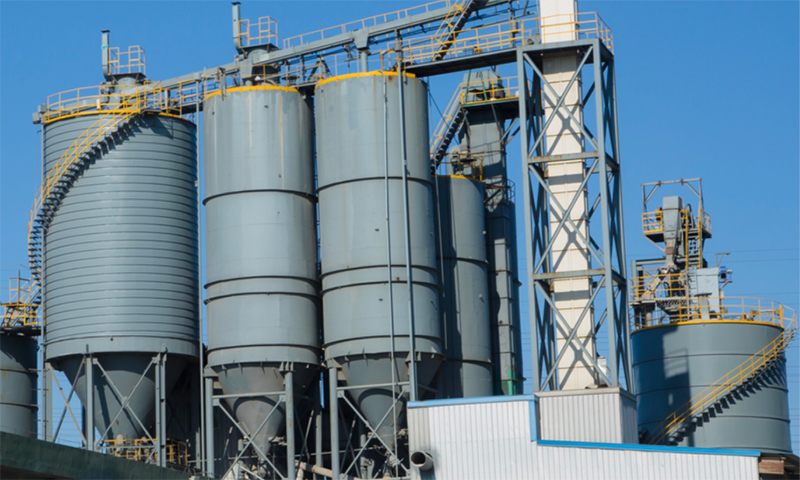
Jiangsu Runding Intelligent Equipment Technology Co., Ltd. is an innovative technology company that specializes in the intelligent production of AAC blocks and panels, focusing on providing advanced AAC block production line equipment and building a comprehensive AAC products intelligent factory ecological chain.
Why Choose Us?
Ultra-High Precision Machining Strength
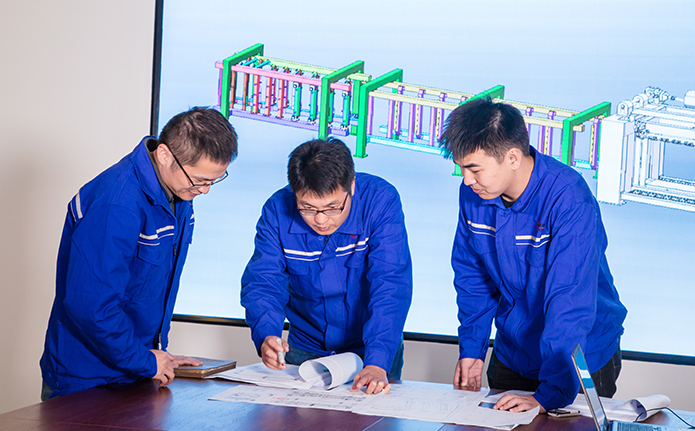
We invest in advanced processing equipment such as CNC gantry milling, automatic cutting centers, CNC bending machines, and laser cutting machines to ensure high precision throughout the production process, from raw materials to finished products.
Our intelligent robot welding center utilizes vision systems and smart control technologies, ensuring ultra-high quality welding operations and providing customers with stable, high-precision welding products.
Quality Material Supply Design
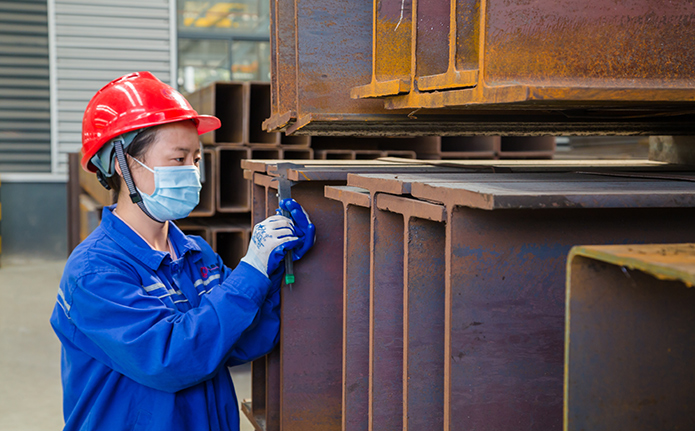
We prioritize the selection of top-quality materials from trusted domestic and international suppliers. For example, we exclusively use high-quality steel sourced from the top three steel mills in China to ensure our products offer durability and strength.
We also carefully choose hydraulic, electrical, reducer, motor, and other essential materials from well-known domestic and international brands, ensuring our production lines deliver performance and reliability.
Intelligent Supply Chain Management
ERP: Integration of internal and external resources and business processes to enhance collaboration and information sharing across departments.
MES: Real-time monitoring of production progress, equipment status, and personnel efficiency to ensure transparency and intelligence in the production process.
SHOP FLOOR: Optimizing production schedule control and ensuring accurate traceability, quality inspection, and efficient production execution.
PLS: Streamlining production scheduling and resource allocation for effective resource management.
WMS: Accurate material control and inventory management to improve material flow efficiency and supply chain responsiveness.
Professional Team and Butler Service
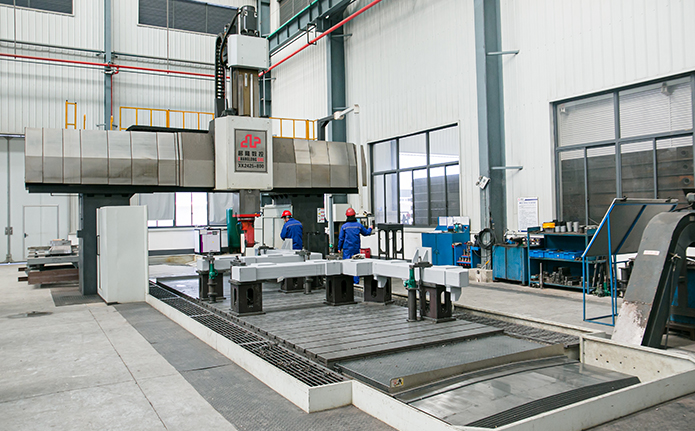
We are committed to providing seamless service through a dedicated after-sales support team. Our team ensures timely customer visits, effective exchanges, and personalized solutions, building a reliable communication mechanism with clients. We aim to make our localized services fast, efficient, and customer-friendly.
Continuous Technological Innovation
Innovation is the driving force behind our sustainable growth. Our R&D team works closely with production lines to continuously improve and optimize materials, products, and processes. We design intelligent equipment tailored to local production conditions, offering solutions that fit regional market needs.
Rigorous Project Planning
With extensive experience in planning AAC production plant projects, we offer professional guidance in areas like plant layout, equipment selection, electrical control, and worker configuration. We ensure that each project is tailored to meet local market demands while reducing investment risks and optimizing resource allocation.
Conclusion
The AAC block manufacturing process is a multi-step operation that requires precision, high-quality materials, and specialized equipment. From the preparation of raw materials to the final quality control checks, each step plays a crucial role in ensuring the durability, strength, and insulation properties of the blocks. By investing in a modern AAC block production line, companies can enhance their production efficiency and contribute to the growth of the eco-friendly construction industry.
FAQ
1. Why do AAC blocks crack so frequently?
AAC blocks can crack if they are not used in the correct construction context, especially under excessive weight or in harsh environments. Incorrect manufacturing processes or poor curing can also contribute to cracking.
2. What are the disadvantages of AAC blocks?
Despite their many advantages, AAC blocks have some disadvantages, such as brittleness, lower compressive strength compared to traditional concrete, and susceptibility to water absorption. They also require specialized tools for cutting and are more expensive than standard concrete blocks.
3. Where are AAC blocks typically used?
AAC blocks are ideal for applications that require insulation, such as residential homes, commercial buildings, hospitals, and office spaces. They are also used in soundproof rooms and buildings requiring energy efficiency.
4. What is the standard size of an AAC block?
The common sizes for AAC blocks are 24 × 8 × 4 inches, 24 × 8 × 6 inches, 24 × 8 × 8 inches, and other variations depending on specific building requirements.