

 English
 中文简体
中文简体 русский
The global construction landscape is undergoing a fundamental shift toward sustainability and speed. As the demand for lightweight, thermally efficient building materials surges, the aac block production line has become a focal point for industrial investment. However, a critical dilemma faces new and expanding manufacturers: should they invest in a traditional, labor-intensive setup or pivot toward a smart, fully automated production ecosystem?
To determine which delivers a higher Return on Investment (ROI), one must look beyond the initial capital expenditure and analyze the entire lifecycle of the facility, from raw material utilization to market responsiveness.
The Evolution of the AAC Block Production Line
Traditionally, the manufacturing of Autoclaved Aerated Concrete relied heavily on manual intervention for dosing, mold handling, and cutting. While this lowered the entry barrier regarding initial costs, it introduced significant variables in product quality and operational reliability.
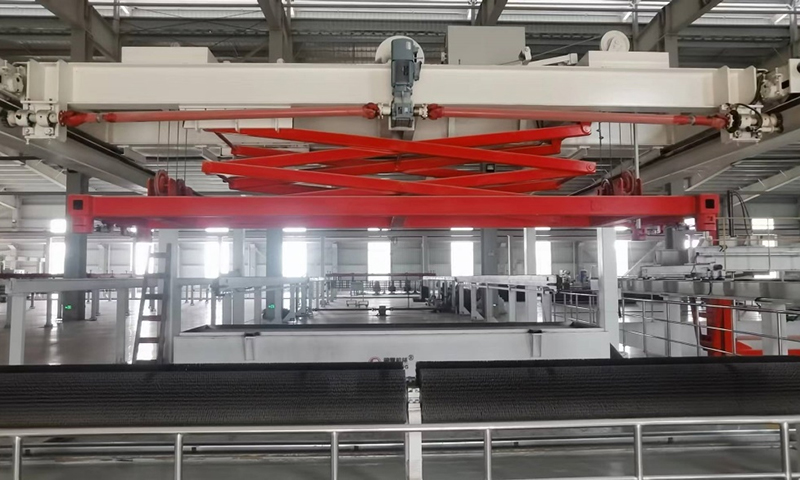
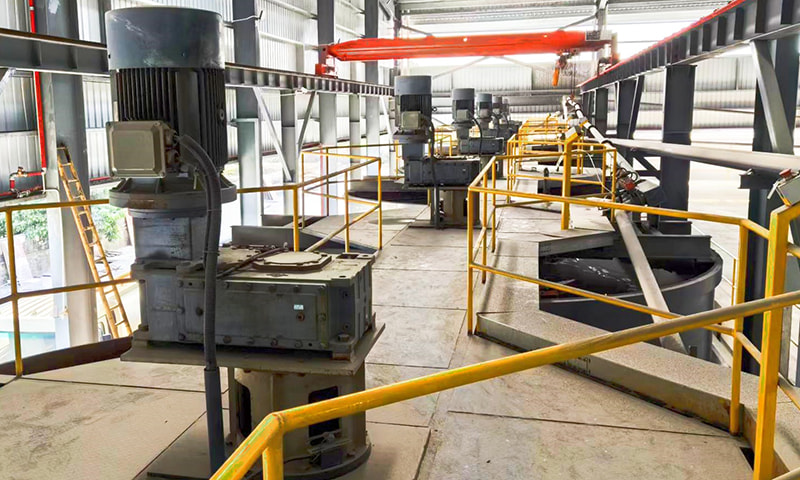
In contrast, a modern smart aac block production line integrates advanced sensors, automated guided vehicles, and centralized control systems. These systems synchronize every stage—from the preparation of the slurry to the final autoclaving process—ensuring that the chemical reactions necessary for aeration occur under optimal, repeatable conditions.
Comparative Analysis: Traditional vs. Smart Systems
When evaluating ROI, the comparison typically falls into three categories: labor costs, material efficiency, and production uptime.
| Feature | Traditional Production Line | Smart Production Line |
|---|---|---|
| Labor Requirement | High (Requires manual monitoring and handling) | Low (Centralized control and robotics) |
| Material Accuracy | Variable (Prone to human error in dosing) | Precision (Automated dosing and mixing) |
| Waste Generation | Moderate (Cutting inaccuracies and breakage) | Minimal (High-precision cutting and recycling) |
| Energy Consumption | High (Inefficient heat recovery) | Optimized (Intelligent steam management) |
| Product Consistency | Standard | Superior (High dimensional accuracy) |
Analyzing the Labor and Efficiency Gap
One of the immediate impacts on ROI is the reduction of operational expenditure (OPEX) through automation. A traditional aac block production line requires a large workforce to manage the complex logistics of moving molds and managing the cutting section. In regions where labor costs are rising, this creates a diminishing return over time.
Smart systems utilize intelligent control units that monitor the density and temperature of the slurry in real-time. By automating the fermentation and cutting processes, these lines significantly reduce the “rejection rate” of blocks. In a high-volume industry, reducing waste by even 3% can translate into substantial annual savings, directly bolstering the bottom line.
Long-Term Value and Market Competitiveness
The ROI of a smart aac block production line is also driven by market positioning. Today’s construction projects demand high-precision blocks that require minimal mortar and provide thermal insulation. Automated cutting systems produce blocks with tighter tolerances, allowing manufacturers to command a premium price in the “green building” sector.
Furthermore, smart lines offer better scalability. They are designed to operate 24/7 with minimal downtime for maintenance, thanks to predictive diagnostic tools. This high “uptime” ensures that manufacturers can fulfill large-scale infrastructure contracts without the delays often associated with manual equipment failure.
Environmental Impact as a Financial Incentive
As carbon taxes and environmental regulations tighten, the energy efficiency of the aac block production line becomes a financial metric. Smart lines often include sophisticated heat recovery systems that repurpose steam from the autoclaves. This reduces the energy required for subsequent cycles, lowering utility bills and making the plant more resilient to energy price volatility.
Conclusion: The Verdict on ROI
While a traditional production line may offer a faster setup and lower initial debt, it often leads to stagnant growth due to higher per-unit costs and inconsistent quality. For investors looking at a 5-to-10-year horizon, the smart aac block production line offers a demonstrably higher ROI. The combination of labor savings, material precision, and energy efficiency creates a leaner, more profitable operation capable of dominating a competitive construction market.