

 English
 中文简体
中文简体 русский
Introduction
The AAC (Autoclaved Aerated Concrete) block production line is an essential part of the modern construction industry. It involves a series of intricate processes designed to transform raw materials into durable, lightweight, and energy-efficient AAC blocks. Among these processes, mixing and blending are crucial stages that directly influence the quality of the final product.
Overview of AAC Block Production Line
Before exploring the specific role of mixing and blending, it’s important to understand the general workflow of an AAC block production line. The production line typically consists of several key stages:
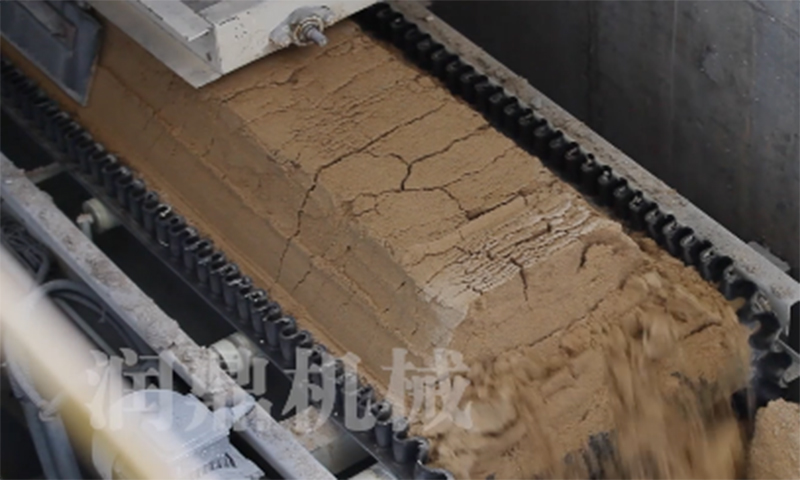
- Raw Material Preparation: The initial stage where the materials such as sand, lime, cement, gypsum, and aluminum powder are prepared.
- Mixing and Blending: The process of combining these raw materials to create a homogeneous mixture.
- Molding: The mixture is poured into molds, forming the desired shape of AAC blocks.
- Curing: The blocks are cured under heat and pressure in autoclaves to ensure they meet the required strength and durability.
- Cutting and Finishing: Once the blocks have cooled, they are cut to size and finished for packaging.
Each stage of the production line is critical for ensuring the quality and consistency of the AAC blocks.
Raw Materials for AAC Block Production
The production of AAC blocks starts with the careful selection of raw materials. These materials must meet stringent quality standards to ensure that the final product is both durable and efficient. The primary raw materials used in AAC block production include:
| Raw Material | Function | Quality Criteria |
|---|---|---|
| Sand | Main aggregate | Must be clean and free of impurities |
| Cement | Binder | High-quality Portland cement is commonly used |
| Lime | Stabilizer | Pure lime enhances the block’s durability |
| Gypsum | Hardening agent | Must have the right particle size and purity |
| Aluminum Powder | Foaming agent | Must create a uniform and consistent foam |
Each raw material is selected for its specific role in the AAC block’s final properties. The quality of the raw materials directly impacts the mixing and blending processes, as well as the overall strength and energy efficiency of the blocks.
The Role of Mixing in AAC Production
Mixing is one of the crucial steps in the AAC block production line. It involves combining all the raw materials in the correct proportions to create a uniform and homogenous slurry. The mixing process ensures that the binder (cement, lime, and gypsum) effectively binds the aggregate (sand) and aluminum powder, allowing the foam to form and expand uniformly.
Key Factors Affecting the Mixing Process:
- Homogeneity: The mixture must be uniform to prevent weak spots or inconsistencies in the final product.
- Mixing Time: Adequate mixing time is necessary to ensure the materials blend properly, but excessive mixing can a loss of air content, which affects the block’s lightweight nature.
- Viscosity: The viscosity of the slurry must be controlled to ensure it flows easily into molds without segregation or clumping.
Proper mixing is essential for ensuring the AAC blocks maintain their desired characteristics such as low density, high strength, and insulation properties.
Blending Process: Achieving the Right Consistency
Blending follows the mixing process and is designed to ensure that the foam generated by the aluminum powder is evenly distributed throughout the slurry. The aluminum powder reacts with the lime and cement to produce hydrogen gas, which creates bubbles, giving the concrete its characteristic lightweight nature.
Important Considerations in the Blending Process:
- Bubble Formation: The aluminum powder must be finely controlled to ensure that the bubbles are uniform and evenly dispersed. This creates a homogenous blend with consistent density and strength.
- Reaction Control: The timing and environment (temperature and humidity) of the blending process must be controlled to ensure the right reaction takes place between the aluminum powder and the binder.
- Foam Stabilization: Once the foam is created, it must be stabilized to prevent collapse or excessive shrinkage during curing.
Blending requires precision and attention to detail. If not managed correctly, the foam can either collapse or become too dense, compromising the lightweight and thermal properties of the AAC blocks.
Liquid Concrete: Achieving the Ideal Consistency for Molding
Once the raw materials are mixed and blended, the result is a liquid concrete that is ready to be poured into molds. Achieving the correct consistency of the liquid concrete is essential to ensure that it flows easily into molds and sets evenly. Factors such as the water-to-cement ratio, the amount of aluminum powder, and the blending time all contribute to the final liquid consistency.
| Parameter | Ideal Range | Impact on Product |
|---|---|---|
| Water-to-Cement Ratio | 0.4 to 0.6 | Affects strength and porosity of blocks |
| Aluminum Powder Amount | 0.05 to 0.1% | Impacts bubble size and expansion |
| Viscosity | Medium to low | Ensures smooth molding and proper curing |
The liquid concrete must be sufficiently viscous to hold the foam in place and flow into the molds without being too runny or too thick. The correct viscosity ensures proper setting and curing, contributing to the final product’s quality and durability.
Role of the AAC Block Production Line Factory in Ensuring Quality
The AAC block production line factory plays a crucial role in maintaining the overall quality of the blocks. The factory must ensure that each step of the process is carried out according to strict guidelines and that all equipment is calibrated for performance. This includes monitoring the consistency of raw material supplies, mixing and blending processes, and the overall production environment.
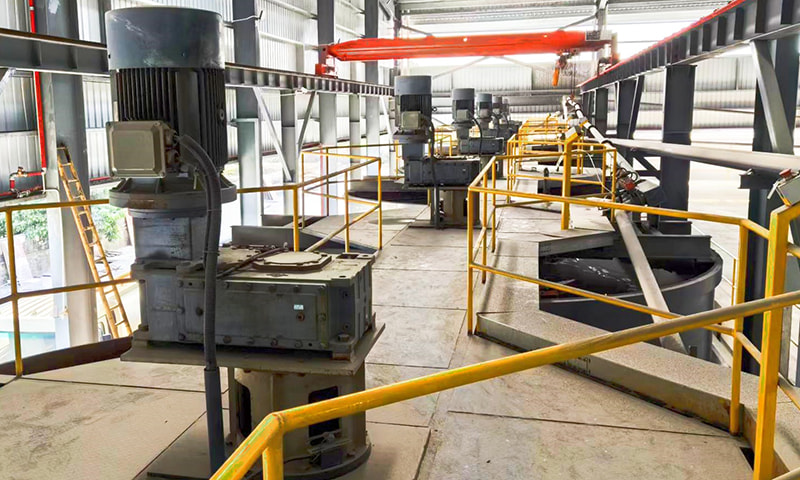
The role of automation in modern AAC block production lines cannot be overstated. Automated systems monitor and adjust parameters in real time to ensure consistency, reduce human error, and increase overall efficiency. Moreover, the factory’s quality control measures help identify and correct potential issues early in the production process, ensuring that only high-quality AAC blocks are produced.
Conclusion
Mixing and blending are fundamental processes in the AAC block production line. These stages ensure that the raw materials are properly combined to create a homogenous slurry with the right consistency and foam distribution. By carefully managing these processes, manufacturers can produce AAC blocks that are lightweight, durable, and energy-efficient—ideal for modern construction projects.
FAQ
1. What are the key components in an AAC block production line?
The key components include raw material preparation, mixing and blending, molding, curing, and cutting.
2. How does the quality of raw materials affect the mixing process?
The quality of raw materials influences the homogeneity and consistency of the final mixture, which directly affects the strength and thermal properties of the AAC blocks.
3. Why is foam distribution important in the blending process?
Proper foam distribution ensures that the AAC blocks have the right density and thermal insulation properties. It also prevents weak spots in the blocks.
4. How does the consistency of liquid concrete impact the final product?
The right consistency ensures smooth molding, proper curing, and a consistent final product that meets the required strength and durability standards.
5. What role does automation play in the AAC block production line?
Automation ensures precise control of the mixing, blending, and overall production process, resulting in higher consistency, reduced human error, and increased efficiency.