

 English
 中文简体
中文简体 русский
The construction industry is increasingly adopting advanced automation to enhance productivity and reduce operational costs. Among these innovations, the AAC block production line has emerged as a crucial solution for manufacturers aiming to produce lightweight, durable, and energy-efficient building materials.
Understanding the AAC Block Production Line
An AAC block production line involves a series of interconnected processes, including raw material preparation, mixing, molding, curing, cutting, and packaging. Each stage requires precision, timely execution, and careful monitoring to ensure the final blocks meet industry standards. Efficiency in an AAC block production line factory depends on smooth coordination between these stages and the proper functioning of machinery.
Key Components of an AAC Block Production Line
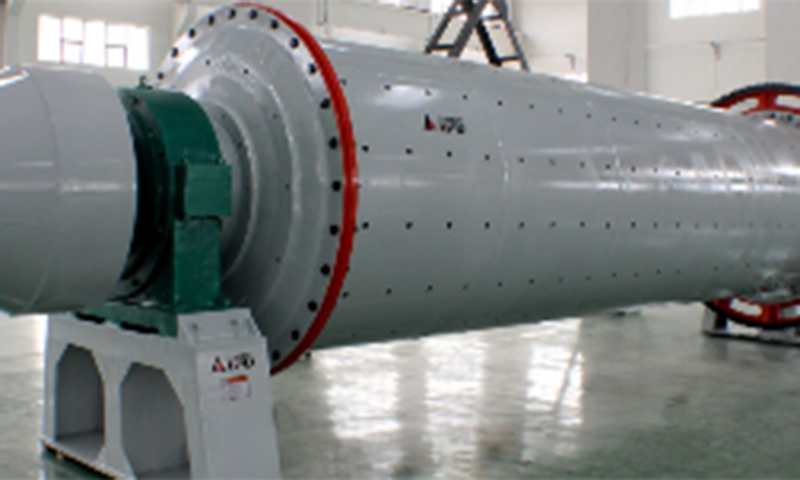
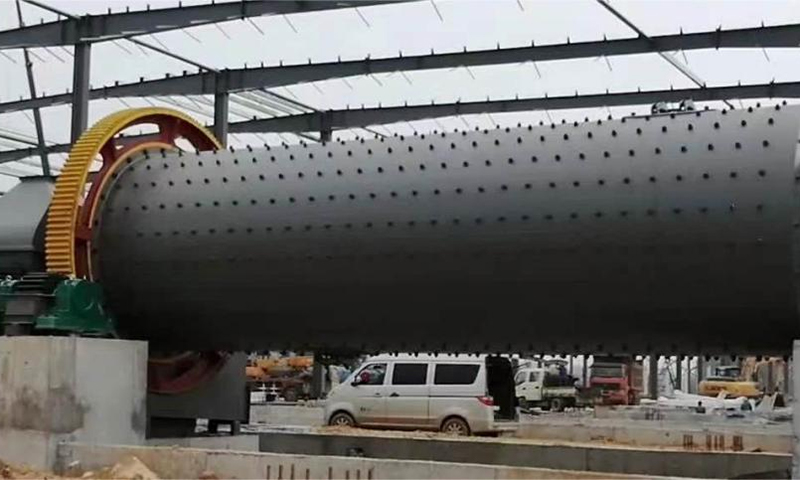
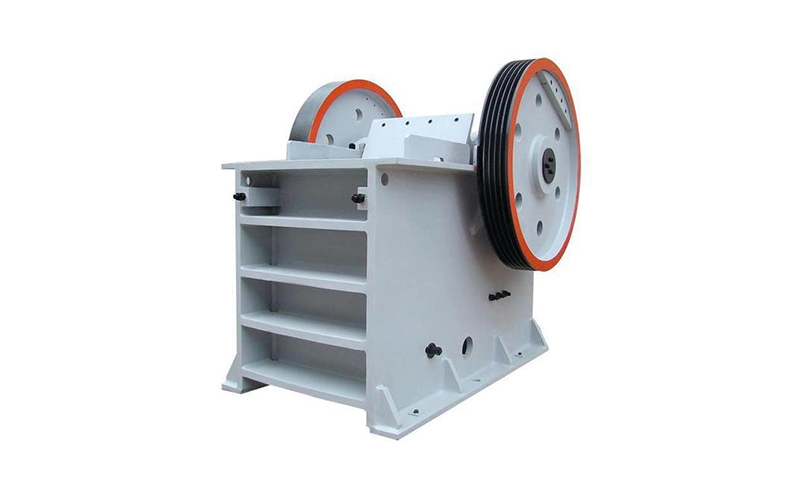
Raw Material Preparation Unit – Responsible for crushing, grinding, and proportioning raw materials such as cement, lime, sand, and aluminum powder.
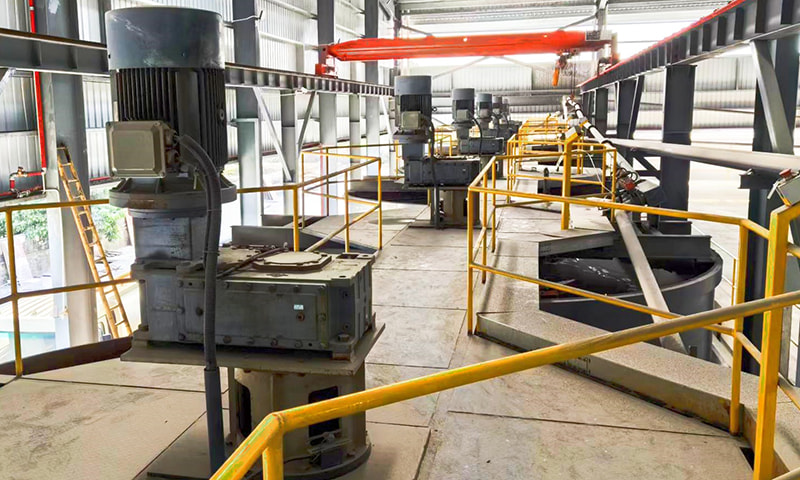
Mixing System – Ensures homogenous mixing of all ingredients, critical for block consistency and structural integrity.
Molding Machine – Transfers the slurry into molds while maintaining the correct dimensions and density.
Autoclave Curing – Uses high-pressure steam curing to accelerate strength development and enhance durability.
Cutting Machine – Precision cutting ensures uniform block sizes and minimal waste.
Packaging Unit – Prepares blocks for transportation and storage while minimizing breakage.
Typical Workflow in an AAC Block Production Line
| Stage | Purpose | Key Considerations |
|---|---|---|
| Raw Material Preparation | Ensures quality input | Particle size, moisture content |
| Mixing | Achieves homogenous slurry | Mixing time, speed, ingredient ratio |
| Molding | Forms blocks to size | Mold alignment, filling consistency |
| Curing | Develops strength | Temperature, pressure, duration |
| Cutting | Produces uniform blocks | Blade sharpness, cutting speed |
| Packaging | Prepares blocks for shipment | Handling method, stacking pattern |
Optimizing Workflow for Maximum Efficiency
Efficiency in an AAC block production line is largely determined by workflow optimization. A well-designed production layout minimizes material handling time, reduces bottlenecks, and ensures a continuous flow of operations.
Streamlined Layout – Arrange machinery to follow the natural sequence of production stages. Avoid unnecessary transport of materials between stages.
Automated Material Handling – Conveyors and automated transport systems reduce manual labor and ensure consistent feed rates.
Real-Time Monitoring – Installing sensors and monitoring systems at each stage helps detect anomalies quickly, reducing downtime.
Balanced Production Lines – Allocate resources evenly across stages to prevent bottlenecks that may slow down the entire production process.
Production Line Optimization Tips
| Optimization Focus | Action Items | Expected Benefit |
|---|---|---|
| Layout Design | Sequential machine arrangement | Reduced handling time |
| Material Handling | Automated conveyors | Improved feed consistency |
| Monitoring | Sensor integration | Early problem detection |
| Resource Allocation | Balanced staffing & machinery | Minimized bottlenecks |
Equipment Selection in AAC Block Production Line Factories
Choosing the right machinery is essential for achieving efficiency. High-quality equipment not only improves production speed but also reduces energy consumption and maintenance frequency. When evaluating equipment for your AAC block production line factory, consider the following factors:
Capacity – Match machine capacity with production targets to avoid overloading or underutilization.
Precision – Machines must maintain dimensional accuracy to reduce waste and rework.
Energy Efficiency – Modern equipment with lower power consumption reduces operational costs.
Durability – Robust machines reduce downtime and maintenance frequency.
Equipment Selection Criteria
| Equipment | Key Feature | Benefit |
|---|---|---|
| Mixer | Homogenous blending | Consistent block quality |
| Molding Machine | High precision | Reduced material waste |
| Autoclave | Energy-efficient steam system | Faster curing with lower energy cost |
| Cutting Machine | Adjustable blade | Uniform block sizes, minimal rework |
| Packaging Unit | Automated stacking | Reduced labor cost and block breakage |
Energy Management Strategies
Energy management plays a pivotal role in efficiency in an AAC block production line. Power-intensive operations such as autoclaving, mixing, and cutting can significantly impact operational costs if not properly managed.
Optimized Steam Usage – Proper insulation of autoclaves and controlled steam pressure reduces heat loss and energy consumption.
Efficient Motors – High-efficiency motors in mixers, conveyors, and cutting machines save electricity over time.
Scheduling Production – Aligning high-energy operations with off-peak electricity hours can reduce costs.
Energy Recovery Systems – Implementing heat recovery from steam exhaust or compressor systems can reclaim energy for other stages.
Energy Optimization Measures
| Stage | Energy Use | Optimization Technique |
|---|---|---|
| Autoclaving | High | Insulation, precise pressure control |
| Mixing | Medium | High-efficiency motors, controlled speed |
| Cutting | Medium | Blade sharpening, speed optimization |
| Material Handling | Low | Automated conveyors, minimal idle time |
Maintenance Practices to Reduce Downtime
Regular maintenance is critical to sustaining high efficiency in your AAC block production line factory. Predictive and preventive maintenance strategies can prevent unexpected failures and extend machinery life.
Scheduled Inspections – Regularly check mixers, molds, autoclaves, and cutting machines for wear and tear.
Lubrication Management – Proper lubrication of moving parts reduces friction and prevents premature failure.
Calibration – Ensure measuring devices and molds are correctly calibrated to maintain block quality.
Spare Parts Inventory – Maintain an inventory of critical spare parts to reduce downtime in case of component failure.
Maintenance Checklist
| Component | Maintenance Task | Frequency |
|---|---|---|
| Mixer | Check blades, clean residues | Weekly |
| Molding Machine | Inspect mold alignment | Weekly |
| Autoclave | Inspect pressure valves, seals | Monthly |
| Cutting Machine | Sharpen blades | Weekly |
| Packaging Unit | Lubricate conveyors | Monthly |
Quality Control Measures
Maintaining product quality is closely linked with efficiency. Rejected blocks not only reduce output but also increase production costs. Implementing stringent quality control measures ensures that every block meets standards on the pass.
Raw Material Inspection – Check moisture, particle size, and chemical composition.
Process Monitoring – Real-time sensors to track density, slurry viscosity, and curing conditions.
Sampling and Testing – Regularly sample finished blocks for strength, dimensional accuracy, and appearance.
Feedback Loops – Rapid communication between quality control and production teams ensures corrective actions are implemented quickly.
Automation and Digitalization
Modern AAC block production line factories increasingly adopt automation and digital solutions to boost efficiency. Advanced control systems integrate all production stages, allowing for precise monitoring and adjustments.
PLC Control Systems – Programmable logic controllers manage and synchronize machinery operations.
IoT Integration – Internet-of-Things devices provide real-time data for predictive maintenance and process optimization.
Data Analytics – Historical production data can identify inefficiencies and help improve scheduling and resource allocation.
Automation Benefits
| Automation Feature | Function | Efficiency Gain |
|---|---|---|
| PLC Control | Centralized machine operation | Reduced human error |
| IoT Sensors | Real-time monitoring | Early anomaly detection |
| Data Analytics | Production trend analysis | Better planning and throughput |
| Automated Reporting | Performance dashboards | Quick decision-making |
Workforce Training and Management
An often-overlooked factor in efficiency is the human element. Properly trained staff can operate machinery more effectively, respond to issues faster, and maintain high safety standards.
Operational Training – Educate operators on machinery functions, troubleshooting, and safety protocols.
Continuous Improvement Programs – Encourage staff to provide feedback on bottlenecks or inefficiencies.
Performance Monitoring – Track individual and team performance to optimize workforce allocation.
Environmental and Waste Management Considerations
Efficient AAC block production lines also integrate sustainable practices. Reducing waste and emissions not only benefits the environment but can also improve cost-efficiency.
Raw Material Recycling – Reuse leftover slurry or crushed blocks to reduce waste.
Water Management – Implement closed-loop systems for mixing and cleaning water.
Dust Control – Use dust collectors in preparation and cutting areas to minimize material loss.
Conclusion
Maximizing efficiency in your AAC block production line requires a multifaceted approach, including equipment selection, workflow optimization, energy management, maintenance, quality control, automation, workforce training, and environmental considerations. By carefully integrating these strategies, AAC block production line factories can achieve higher output, consistent quality, lower operational costs, and reduced downtime. Implementing a structured efficiency plan not only improves productivity but also enhances the long-term sustainability and competitiveness of the AAC block production industry.