

 English
 中文简体
中文简体 русский
An AAC block production line improves efficiency by automating material handling, optimizing curing cycles, reducing waste, and maintaining consistent block quality. Compared with traditional production methods, automated systems can significantly shorten manufacturing time while improving precision and lowering labor intensity. This combination allows manufacturers to increase output stability and maximize resource utilization.
Efficiency is critical in modern building material manufacturing, and AAC block production technology is designed to meet this demand. By integrating intelligent control systems, accurate batching, and streamlined cutting processes, production becomes faster and more reliable.
Automated Material Preparation Reduces Processing Delays
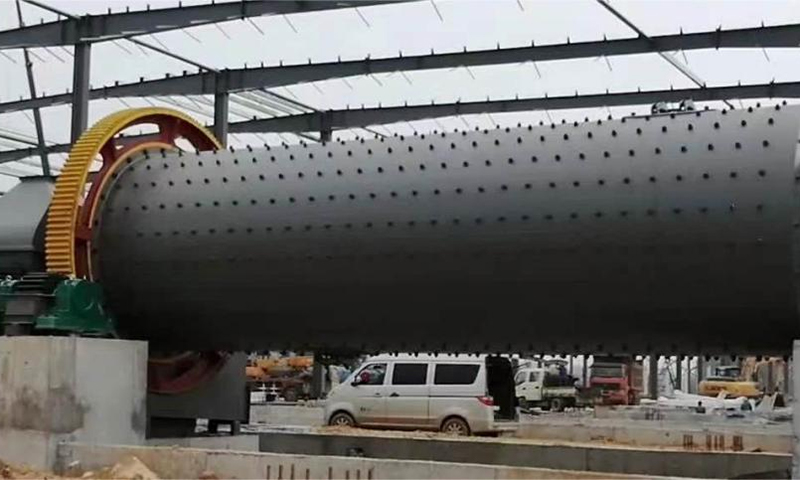
The efficiency advantage of an AAC block production line comes from automated raw material preparation. Sand, cement, lime, gypsum, and aluminum powder are precisely measured and mixed under computerized control.
Automated batching systems often improve dosing accuracy to within 1% tolerance, which reduces inconsistencies that may otherwise disrupt production flow. This level of precision minimizes rework and ensures stable slurry quality before casting.
- Consistent raw material proportions
- Reduced operator intervention
- Lower risk of production interruption
- Faster preparation cycles
Precision Cutting Enhances Output Quality
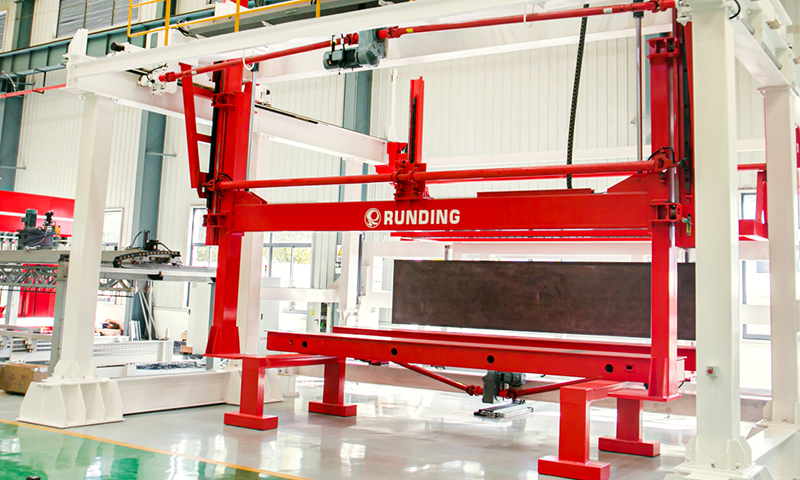
Once the green cake has reached cutting strength, automated cutting systems shape blocks with high dimensional accuracy. This eliminates irregularities that can slow downstream handling and packaging.
Dimensional Consistency
Modern cutting machines maintain tolerances of only a few millimeters, ensuring every block matches design specifications.
Reduced Waste Generation
Efficient cutting can lower material waste by up to 20% compared to less controlled production methods. Scrap material can often be recycled back into production, further improving resource efficiency.
Optimized Autoclaving Accelerates Production Cycles
Autoclaving is the core curing stage where AAC blocks gain strength and durability. Advanced production lines regulate temperature, pressure, and steam flow with precision.
| Process Factor | Efficiency Benefit |
|---|---|
| Temperature control | Uniform curing results |
| Steam pressure stability | Reduced cycle variation |
| Automated timing | Faster production scheduling |
This process ensures strong and lightweight blocks while reducing unnecessary energy consumption during curing.
Integrated Control Systems Improve Workflow Coordination
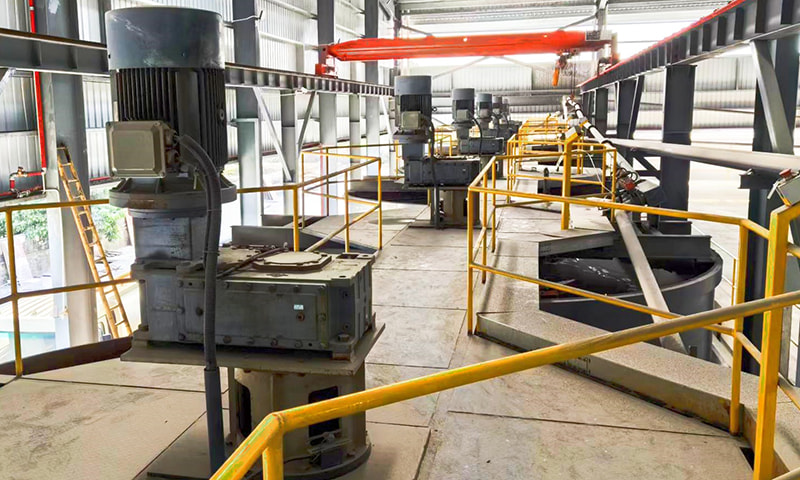
A modern AAC block production line connects each production stage through centralized control software. Operators can monitor every process in real time, quickly adjusting parameters if conditions change.
Real-time monitoring reduces downtime and improves line synchronization, allowing each machine to operate at peak efficiency without bottlenecks.
- Instant fault detection
- Predictive maintenance scheduling
- Stable equipment performance
- Higher operational transparency
Lower Labor Dependency Increases Long-Term Productivity
Automation reduces reliance on manual labor for repetitive tasks such as batching, cutting, transport, and stacking. This not only lowers physical workload but also reduces the possibility of human error.
With fewer interruptions caused by manual handling mistakes, manufacturers can maintain steady production rates over extended operating periods.
Conclusion
An AAC block production line improves efficiency through automation, precision, faster curing, and reduced operational waste. By integrating intelligent systems across material preparation, cutting, curing, and monitoring, manufacturers achieve consistent output while lowering production complexity. This makes AAC block manufacturing more scalable, reliable, and suitable for growing construction material demands.