

 English
 中文简体
中文简体 русский
Introduction
Autoclaved Aerated Concrete (AAC) blocks have gained significant attention due to their sustainable properties and energy-efficient characteristics. As the construction industry continues to evolve, there is increasing pressure to adopt environmentally friendly materials and production methods.
Overview of AAC Blocks and Their Production Process
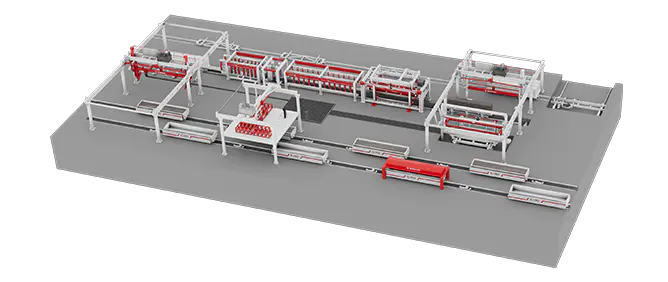
AAC blocks are lightweight, durable, and energy-efficient building materials. Made from a mixture of sand, lime, cement, and water, AAC blocks undergo a specialized process of autoclaving, which involves high-temperature steam curing to enhance their strength and stability. The production process of AAC blocks involves several stages, including mixing raw materials, shaping, autoclaving, and finishing.
Environmental Impact of the AAC Block Production Line
The production of AAC blocks, like any industrial process, has environmental consequences. However, compared to traditional concrete production, the AAC block production line offers several environmental advantages.
Resource Efficiency
One of the key advantages of the AAC block production line is its ability to utilize raw materials efficiently. The primary raw materials for AAC blocks include silica-rich sand, lime, cement, and water. The production line uses a relatively small amount of energy compared to conventional concrete manufacturing processes.
Energy Consumption
The autoclaving process, which requires high temperatures, consumes a significant amount of energy. However, advances in energy-efficient autoclaves and heat recovery systems have contributed to reducing energy usage during production.
Water Usage
Water is an essential ingredient in AAC block production. While the water consumption in the production process is relatively low, managing water usage efficiently is crucial to minimizing the environmental impact.
Emissions and Waste
The production of AAC blocks generates emissions, particularly during the calcination of lime and the energy-intensive autoclaving process. However, by employing cleaner technologies and optimizing processes, it is possible to minimize harmful emissions. Additionally, the waste generated during the production process, including off-cuts and defective blocks, can be recycled and reused in the production of new blocks.
Sustainable Practices in the AAC Block Production Line
To reduce the environmental impact, many manufacturers are embracing sustainable practices throughout the AAC block production line. These practices not only enhance the eco-friendliness of AAC blocks but also contribute to the sustainable development goals of the construction industry.
Use of Eco-Friendly Raw Materials
The AAC block production line can incorporate environmentally friendly raw materials such as fly ash, a byproduct of coal combustion. Fly ash is a waste material from power plants, but its use in AAC block production helps reduce the consumption of natural resources, making the process more sustainable.
Energy Efficiency Improvements
The energy consumption of the AAC block production line is a significant factor in its environmental footprint. By implementing energy-efficient technologies, such as high-efficiency autoclaves, optimized curing cycles, and waste heat recovery systems, manufacturers can reduce the overall energy usage of the production line. Additionally, the integration of renewable energy sources like solar or wind power into the production process can further reduce the carbon footprint of AAC block manufacturing.
Waste Reduction and Recycling
Reducing waste and recycling byproducts are key aspects of sustainable production. Many AAC block manufacturers now implement systems to recycle water, reuse production waste, and optimize material usage to reduce overall waste generation. For instance, defective AAC blocks can be ground into powder and reintroduced into the production process.
Reduction of Carbon Emissions
By using alternative fuels, such as biofuels or natural gas, in the autoclaving process, manufacturers can reduce the carbon emissions associated with AAC block production. Additionally, adopting carbon capture technologies can further reduce the industry’s contribution to global warming.
The Role of Innovation in Sustainable AAC Block Production
Innovation plays a vital role in the continued development of sustainable practices in the AAC block production line. Research into new materials, production techniques, and technologies continues to advance the sustainability of AAC blocks.
Advanced Materials
Researchers are exploring new binders, aggregates, and additives that can further reduce the environmental impact of AAC block production. For example, using recycled concrete aggregates instead of virgin sand or incorporating natural pozzolans into the mix can help reduce the ecological footprint of the material.
Automation and Smart Manufacturing
The integration of automation and smart manufacturing technologies can significantly improve the efficiency of the AAC block production line. By reducing human intervention and optimizing the production process, manufacturers can minimize waste, improve energy consumption, and increase overall productivity.
Green Building Certifications
AAC blocks are gaining popularity in green building projects, as they contribute to energy efficiency, sustainability, and reduced environmental impact. Certifications such as LEED (Leadership in Energy and Environmental Design) recognize the benefits of using AAC blocks in environmentally conscious construction projects.
Conclusion
The AAC block production line offers an eco-friendly alternative to traditional concrete production, with numerous benefits in terms of energy efficiency, resource conservation, and reduced emissions. However, as the demand for AAC blocks continues to grow, it is essential that the industry remains focused on improving sustainability. By adopting advanced technologies, using eco-friendly raw materials, and implementing energy-efficient production methods, AAC block manufacturers can contribute to a more sustainable and environmentally conscious construction industry.
FAQs
1. What is the environmental impact of AAC block production?
The environmental impact of AAC block production includes resource consumption, energy use, and emissions. However, advancements in energy efficiency, waste recycling, and eco-friendly materials help mitigate these impacts.
2. How can AAC blocks contribute to sustainable building practices?
AAC blocks contribute to sustainable building by offering energy-efficient insulation, reducing the carbon footprint of buildings, and using recycled materials in production.
3. What are the key sustainable practices in AAC block production?
Key sustainable practices include using eco-friendly raw materials, optimizing energy use, recycling waste, and adopting cleaner production technologies.
4. How can AAC block manufacturers reduce their carbon emissions?
Manufacturers can reduce carbon emissions by using alternative fuels, implementing waste heat recovery systems, and integrating carbon capture technologies.
5. What innovations are shaping the future of AAC block production?
Innovations include the development of new materials, automation in production lines, and the use of renewable energy sources to reduce environmental impact.