

 English
 中文简体
中文简体 русский
Introduction
The Autoclaved Aerated Concrete (AAC) block production line plays a crucial role in modern construction by producing lightweight, durable, and energy-efficient blocks. Among the various sections of the production line, the ACC slurry preparation section holds significant importance. This section involves the preparation of the slurry, a critical step for ensuring that the raw materials are properly mixed and processed to form a consistent and high-quality AAC block.
Overview of the AAC Block Production Line
The AAC block production line is a complex system consisting of various stages, from raw material handling to the final curing of the blocks. The process begins with the ACC slurry preparation section, where raw materials like cement, lime, sand, and gypsum are processed into a slurry mixture. This mixture is then used for casting blocks. The section is essential to ensure that the materials are adequately mixed, ground, and transported for further processing.
Key stages of the AAC block production line:
- Raw Material Preparation: Includes the storage and handling of raw materials like cement, lime, silica sand, and gypsum.
- Slurry Preparation: Where the slurry mixture is formed, involving crushing, grinding, and mixing.
- Molding and Casting: The slurry is poured into molds to form the blocks.
- Autoclaving: The blocks are then subjected to high-pressure steam curing.
- Finishing: Once cured, the blocks are cut, finished, and stored for shipment.
The Role of the Slurry Preparation Section
The slurry preparation section is responsible for creating a homogeneous slurry mix that will serve as the base for the AAC blocks. The accuracy and consistency of this slurry are crucial to achieving the desired properties in the final product, such as density, strength, and thermal conductivity.
The slurry preparation involves several steps, each with its own importance:
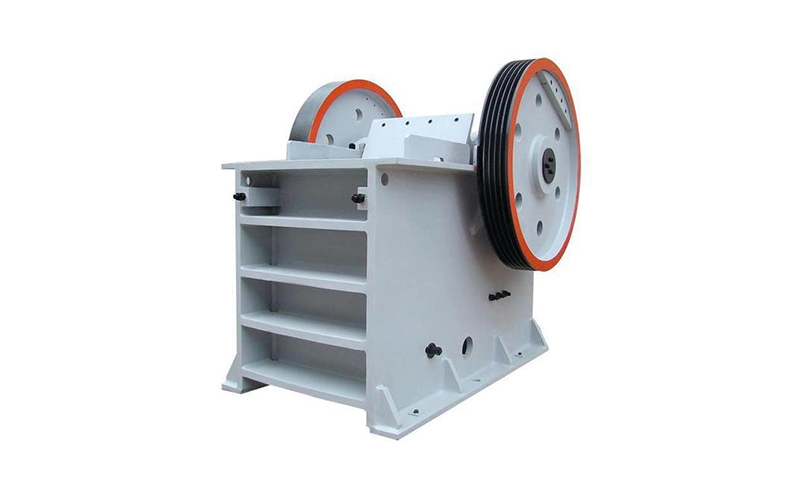
- Crushing: The raw materials, particularly lime and silica sand, are crushed to reduce their size, which is essential for efficient grinding.
- Grinding: The crushed materials are then ground to a fine powder, ensuring that they can be easily mixed into a slurry.
- Conveying and Mixing: The ground materials are conveyed into a mixing chamber where they are combined with water and other additives to form the slurry.
In this section, the use of advanced technology such as automated mixers, grinders, and conveyors is crucial for ensuring uniformity in the slurry mixture. These technologies not only improve the efficiency of the production process but also reduce the chances of inconsistencies in the final product.
Key Equipment in the Slurry Preparation Section
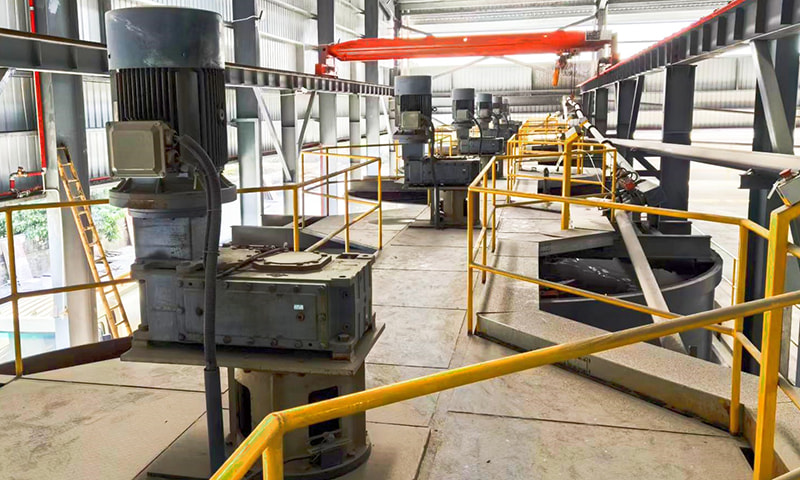
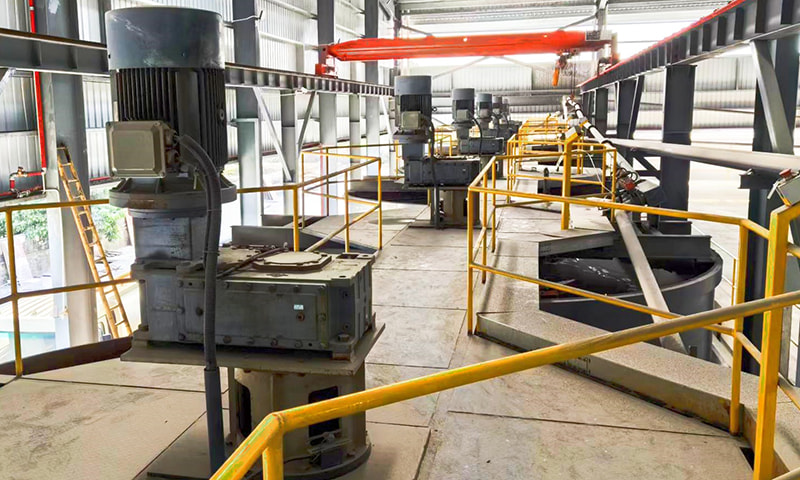
The ACC slurry preparation section is equipped with specialized machinery that handles the various stages of material processing. Below is an overview of the key equipment used in this section:
| Equipment | Function |
|---|---|
| Crushing Machine | Reduces raw material size to facilitate efficient grinding. |
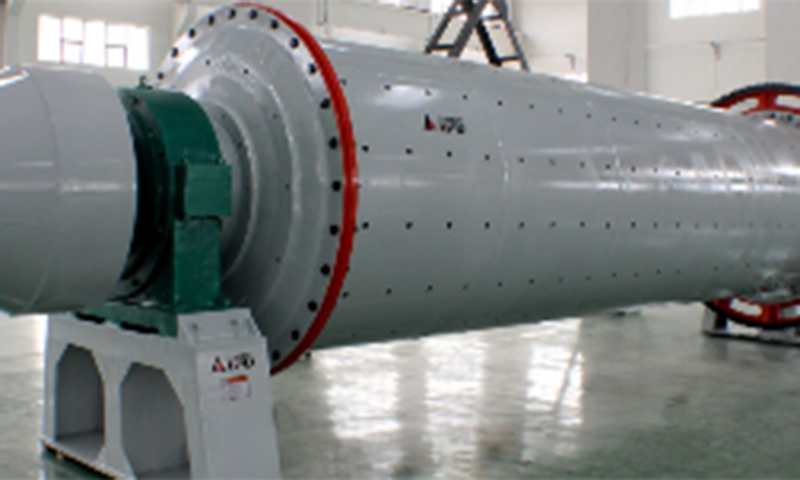
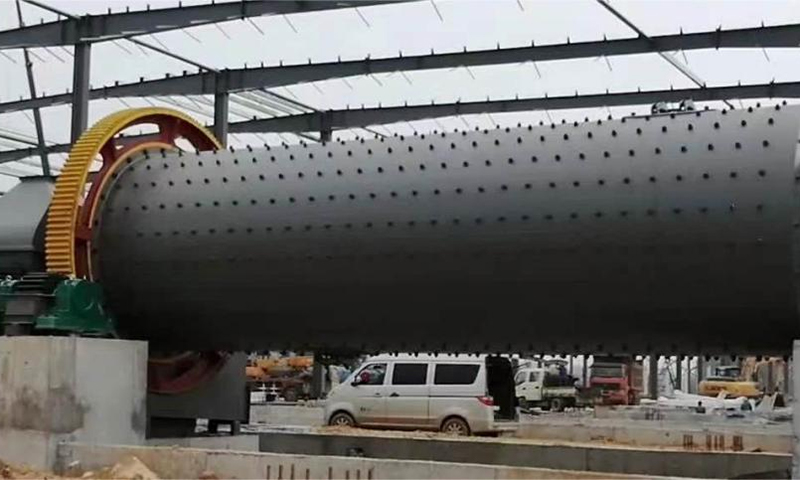
| Ball Mill | Grinds raw materials to a fine powder. |
| Slurry Mixer | Combines ground materials, water, and additives to form a homogeneous slurry. |
| Conveyor Belt | Transports materials between different processing units. |
| Metering System | Accurately measures the quantity of raw materials and water to ensure consistency in the slurry. |
Technologies Used in the Slurry Preparation Section
Modern slurry preparation sections incorporate a variety of technologies aimed at improving the quality, efficiency, and reliability of the slurry production process. Key technologies used in this section include:
- Automated Mixing Systems: These systems ensure that the slurry is mixed uniformly, reducing the risk of inconsistencies that can affect the quality of the AAC blocks.
- High-Efficiency Grinders: These are used to grind the raw materials to the necessary fine particle size, ensuring that the slurry has the correct consistency for further processing.
- Advanced Conveying Systems: These systems move raw materials and slurry through the production line efficiently, minimizing downtime and improving production speed.
- Automated Control Systems: These systems monitor and control various parameters such as slurry viscosity, water content, and material composition to ensure precise control over the production process.
Challenges in the Slurry Preparation Section
While the slurry preparation section is essential for high-quality AAC block production, it also faces several challenges, such as:
- Raw Material Variability: Different raw materials can vary in quality, which can impact the consistency of the slurry.
- Efficiency and Energy Consumption: The energy required for grinding, mixing, and transporting materials can be substantial, making it important to optimize equipment to reduce energy consumption.
- Contamination Control: It is crucial to avoid contamination of the slurry, which could affect the properties of the final AAC blocks.
Conclusion
The ACC slurry preparation section is a vital component of the AAC block production line, ensuring that the slurry mix is homogeneous, efficient, and of the quality. By utilizing advanced technologies and high-performance equipment, this section plays a significant role in the overall production of AAC blocks, contributing to the material’s strength, durability, and thermal properties.
FAQ
1. What is the role of the slurry preparation section in the AAC block production line?
The slurry preparation section ensures that the raw materials are processed into a homogeneous slurry mix, which is crucial for the production of high-quality AAC blocks.
2. What equipment is used in the slurry preparation section?
Key equipment includes crushing machines, ball mills, slurry mixers, conveyors, and metering systems, all of which work together to process and mix raw materials efficiently.
3. Why is consistency important in the slurry preparation process?
Consistency in the slurry mix ensures that the final AAC blocks have uniform properties, such as strength, density, and thermal conductivity.
4. What challenges are faced in the slurry preparation section?
Challenges include raw material variability, energy consumption, and contamination control, all of which can affect the quality and efficiency of the process.