

 English
 中文简体
中文简体 русский
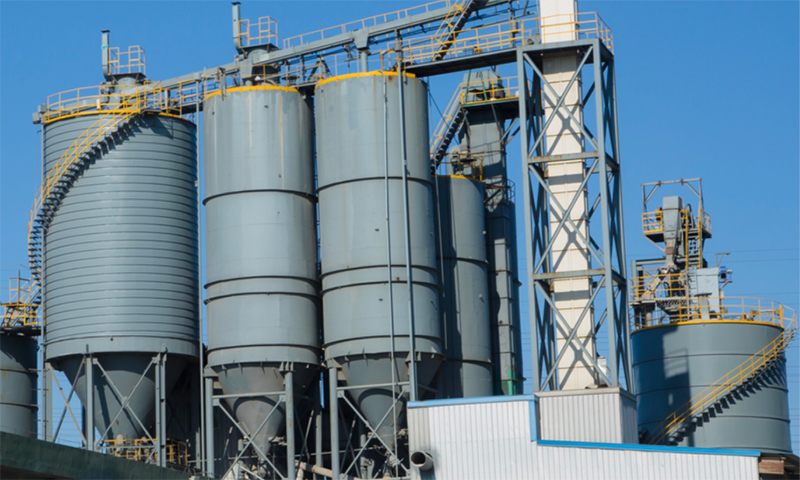
Choosing and Preparing Raw Materials
The stage in the AAC block manufacturing process involves selecting the right raw materials. The main components used in the production of AAC blocks are:
- Cement: Acts as the binding agent.
- Lime: Helps in enhancing the strength and durability of the final product.
- Silica sand: The primary source of silica, which is essential for the chemical reaction during curing.
- Aluminum powder: A foaming agent that creates air pockets within the block, giving it its lightness.
- Water: Required for mixing and activating the chemical reactions.
The raw materials are carefully selected to ensure they meet the quality standards necessary for producing high-strength, durable AAC blocks.
Mixing of Raw Materials
Once the materials are prepared, they are mixed in precise proportions. This process involves adding the dry ingredients (cement, lime, silica sand) to a large mixer. Afterward, aluminum powder is introduced to the mixture along with water, which triggers a chemical reaction that causes the formation of gas bubbles within the mix, creating the characteristic lightweight structure of AAC blocks.
The mixer must be carefully calibrated to achieve a uniform consistency, ensuring that the chemical reaction progresses evenly. Once mixed, the slurry is ready for the next stage.
Casting the Slurry
The mixed slurry is then poured into molds, which determine the size and shape of the AAC blocks. These molds are typically made of steel or other durable materials that can withstand the heat and pressure involved in the subsequent autoclaving process.
At this stage, the slurry is allowed to set in the molds for a specific period, during which the gas bubbles expand, creating a foam-like texture within the mixture. The molds are typically made in various sizes depending on the desired dimensions of the finished blocks.
Pre-curing
After the slurry is cast into molds, the blocks undergo a pre-curing process. This involves allowing the blocks to cure in a controlled environment at room temperature. During this time, the mixture hardens enough to allow for further processing.
Pre-curing can take anywhere from 12 to 24 hours, depending on the ambient temperature and humidity. The pre-curing stage is essential for achieving the desired structural integrity of the blocks before they undergo the autoclaving process.
Cutting the Cake
Once the pre-curing is complete, the hardened “cake” of AAC material is removed from the molds and cut into blocks. This is done using a specialized cutting machine, which ensures uniformity in size and shape. The cake is typically cut into large panels before being sliced into individual blocks.
The cutting process requires precision, as the blocks must meet exact size specifications to ensure proper fit during construction. Automated cutting equipment is commonly used to achieve these high standards.
Autoclaving
Autoclaving is a crucial step in the AAC block production process. After the blocks are cut, they are placed in an autoclave, a high-pressure steam chamber that ensures proper curing of the material. In the autoclave, the blocks are exposed to high temperatures (typically around 180°C to 200°C) and pressure (approximately 12 bars) for a specific period, usually between 12 and 16 hours.
This process accelerates the chemical reactions within the AAC blocks, converting the raw materials into a durable, high-strength product. Autoclaving enhances the blocks’ structural integrity, improving their resistance to moisture, fire, and other environmental factors.
De-Molding and Finishing
Once the blocks have undergone the autoclaving process, they are carefully removed from the autoclave and de-molded. The blocks are then allowed to cool before being subjected to any finishing processes.
At this stage, any rough edges or surface imperfections are smoothed, and the blocks are checked for quality. Some factories may also perform a light polishing to ensure a clean, uniform surface.
Quality Control and Testing
To ensure that the AAC blocks meet the required industry standards, a series of quality control tests are conducted. These tests typically include:
- Compression strength testing: To ensure the blocks can withstand the load-bearing demands of construction.
- Density testing: To verify that the blocks have the proper lightweight properties.
- Water absorption testing: To check the blocks’ resistance to moisture.
Each block is inspected to confirm that it adheres to size and strength requirements before moving on to the final packaging stage.
Packaging and Dispatch
After passing quality control, the AAC blocks are packed and prepared for shipment. Packaging is typically done with protective wraps to avoid any damage during transport. The blocks are then loaded onto pallets and dispatched to customers.
At this point, the products are ready to be shipped either to local distributors or directly to construction sites. The packaging is designed to ensure that the blocks remain in good condition throughout the journey.
Conclusion
The AAC block production process is highly efficient and requires careful attention to detail at each stage. By following a precise sequence of steps—starting with raw material preparation and ending with packaging—the production line ensures that the final product is of the quality. Jiangsu Runding specializing in AAC block production lines, contribute significantly to the industry’s technical innovation with their intelligent equipment and advanced manufacturing processes.
FAQ
1. What is AAC block, and why is it used in construction?
AAC blocks are lightweight, durable building materials made from a mixture of cement, lime, silica sand, and aluminum powder. They are commonly used in construction for their thermal insulation properties and fire resistance.
2. How does the AAC block production line work?
The production line follows a series of steps, including raw material preparation, mixing, casting, pre-curing, cutting, autoclaving, and quality testing, to produce high-quality AAC blocks.
3. What are the benefits of using AAC blocks in construction?
AAC blocks are lightweight, fire-resistant, and offer thermal insulation, making them ideal for energy-efficient and fire-safe buildings.
4. What types of AAC products are available for construction?
AAC products include blocks, panels, and bricks, all of which are designed for use in walls, partitions, and other structural elements in construction projects.
5. Why choose an AAC block production line from Jiangsu Runding?
Jiangsu Runding offers cutting-edge, intelligent AAC production line equipment, with a focus on high efficiency, cost-effectiveness, and advanced factory management solutions for the AAC industry.