

 English
 中文简体
中文简体 русский
In the evolving landscape of modern construction, the pursuit of sustainable, efficient, and high-quality building materials has become increasingly prominent. Among the innovative technologies reshaping the industry, the AAC block production line stands out as a transformative solution. With its streamlined processes, material properties, and alignment with eco-friendly construction principles, this production line is redefining how structures are built.
Introduction to AAC Block Production Line
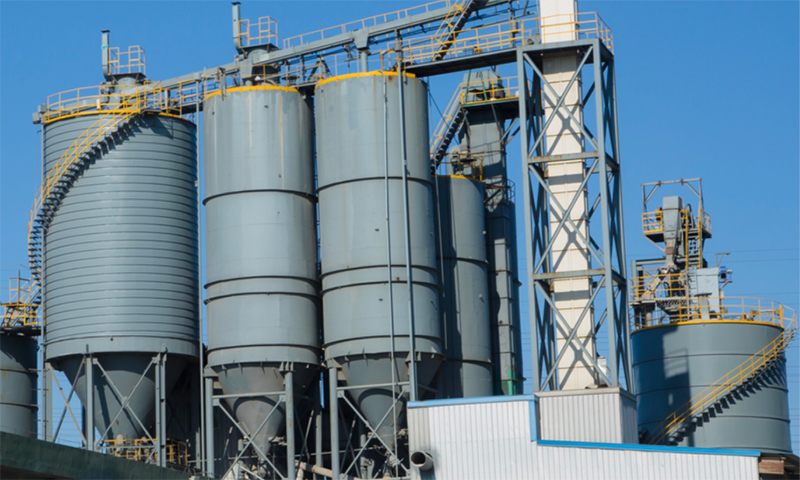
An AAC block production line represents an integrated system designed to produce autoclaved aerated concrete (AAC) blocks, a building material celebrated for its lightweight, thermal efficiency, and durability. The system unifies raw material preparation, mixing, molding, cutting, and autoclaving into a cohesive workflow, ensuring consistent product quality while minimizing resource wastage.
Unlike traditional brick manufacturing, which relies heavily on manual labor and energy-intensive processes, AAC block production lines leverage mechanical precision and controlled chemical reactions to create blocks with uniform density and structural characteristics.
Core Production Process
The production of AAC blocks follows a sophisticated, multi-stage workflow. Each stage plays a critical role in ensuring the final product meets architectural and environmental standards.
Raw Material Preparation
The step involves the selection and pretreatment of primary ingredients, such as:
| Material | Purpose | Preparation Technique |
|---|---|---|
| Fly ash | Provides silica and enhances porosity | Sieving and drying |
| Cement | Acts as a binding agent | Grinding to uniform fineness |
| Lime | Facilitates expansion | Hydration and homogenization |
| Gypsum | Regulates setting time | Precise measurement |
The uniformity of raw materials is crucial, as inconsistencies can affect the block’s density, strength, and thermal insulation properties. Advanced crushing and screening equipment ensures that the particle size and chemical composition are precisely controlled.
Mixing and Slurry Formation
After preparation, the materials are conveyed to high-efficiency mixers. Here, they are combined with water and a small amount of an expansion agent under strict proportions. Through intense stirring, a fine, uniform slurry is formed.
The homogeneity of the slurry is essential for two reasons:
- It ensures that gas bubbles generated during expansion are evenly distributed.
- It allows for consistent strength and dimensional stability across all blocks.
Molding and Pre-Curing
The prepared slurry is then poured into molds corresponding to the desired block size. After an initial resting period, the mixture expands slightly, forming a soft block with low initial strength.
At this stage, precise cutting machines shape the blocks according to design requirements. Automated wire cutters can achieve intricate dimensions, enabling blocks to fit seamlessly in modern construction without additional trimming.
Autoclaving
The cut blocks are then placed into an autoclave, where they undergo curing at high temperature and pressure. This stage involves a carefully controlled steam treatment process, resulting in:
- Formation of a uniform porous structure
- Enhanced compressive strength
- Improved thermal and acoustic insulation properties
Autoclaving also ensures dimensional stability, reducing the likelihood of deformation during construction.
Advantages of AAC Blocks
The rise of AAC blocks in modern construction is driven by their diverse advantages, which extend beyond simple weight reduction.
Lightweight Structure
AAC blocks weigh significantly less than traditional clay bricks, which reduces the load on building foundations. Benefits include:
- Simplified foundation design
- Reduced structural costs
- Improved handling and transportation efficiency
Thermal Insulation
The porous internal structure of AAC blocks provides thermal insulation. Buildings constructed with AAC blocks can maintain more stable indoor temperatures, reducing energy consumption for heating and cooling.
Fire Resistance
The inorganic composition of AAC blocks grants them high fire resistance. This property enhances safety in residential, commercial, and industrial structures, meeting stringent building codes without additional fireproof coatings.
Acoustic Performance
AAC blocks effectively absorb sound, creating quieter indoor environments. This characteristic is particularly valuable in urban settings where noise pollution is a concern.
Environmental Sustainability
Producing AAC blocks consumes less raw material and energy than traditional bricks. The lightweight material also reduces transportation energy costs, contributing to an overall lower carbon footprint. Additionally, some waste by-products from other industries, such as fly ash, can be utilized as raw materials, promoting circular economy principles.
Technological Innovations in AAC Production
The future of AAC block production lines lies in automation, intelligence, and sustainability. Key innovations include:
Automation
Modern production lines increasingly rely on automated systems to manage mixing, molding, and cutting processes. Automation reduces human error, ensures consistent quality, and increases throughput.
Robotics Integration
Robotics technology facilitates precise handling of heavy materials, block stacking, and packaging. Robots can operate continuously with minimal maintenance, improving productivity and worker safety.
IoT and Remote Monitoring
The integration of Internet of Things (IoT) sensors allows for real-time monitoring of production parameters such as temperature, pressure, and moisture content. Remote monitoring enables predictive maintenance, reducing downtime and operational costs.
Resource Efficiency and Waste Recycling
Advanced AAC production lines focus on minimizing raw material consumption and recycling production waste. For instance, offcuts and defective blocks can be crushed and reintegrated into the mixing process, reducing environmental impact.
Economic and Social Implications
The adoption of AAC block production lines carries significant economic and social benefits:
- Construction efficiency: Reduced weight and ease of handling shorten construction cycles.
- Cost reduction: Lower foundation and structural costs, combined with reduced energy expenditure, improve overall project economics.
- Enhanced living conditions: Superior thermal, acoustic, and fire-resistant properties improve occupant comfort and safety.
- Sustainable urban development: Resource-efficient and environmentally friendly building materials support green building initiatives and regulatory compliance.
Conclusion
The AAC block production line is more than just a manufacturing system; it is a cornerstone of modern sustainable construction. By combining high efficiency, environmental benefits, and building performance, it embodies the ideals of green building and energy conservation.
FAQ
Q1: What is the main difference between AAC blocks and traditional bricks?
A1: AAC blocks are lighter, have better thermal and acoustic insulation, are fire-resistant, and are produced through an autoclaving process, while traditional bricks are heavier, less energy-efficient, and have limited insulation properties.
Q2: Can AAC blocks be used in high-rise buildings?
A2: Yes, due to their high strength-to-weight ratio, AAC blocks are suitable for multi-story buildings, reducing structural load without compromising safety.
Q3: How eco-friendly is AAC block production?
A3: It consumes less energy, incorporates industrial by-products like fly ash, and generates minimal waste, aligning with sustainable construction practices.
Q4: Does AAC block production require specialized machinery?
A4: Yes, the production process relies on dedicated mixers, cutting machines, and autoclaves to ensure uniform quality and efficiency.