

 English
 中文简体
中文简体 русский
Understanding AAC Block Production Technology
Autoclaved aerated concrete, commonly known as AAC, has become one of the most sought-after building materials in the construction industry. The aac block production line technology represents a significant advancement in modern manufacturing processes, combining precision engineering with sustainable building practices.
The global market for AAC blocks has experienced substantial growth over the past decade, with manufacturing facilities expanding across multiple continents. This expansion reflects the material's exceptional properties: lightweight composition, excellent thermal insulation, superior sound absorption, and fire resistance. These characteristics have made AAC blocks the preferred choice for residential, commercial, and industrial construction projects.
Understanding the complete manufacturing ecosystem is essential for industry professionals, investors, and construction stakeholders. The journey from raw materials to finished AAC blocks involves sophisticated machinery, precise chemical reactions, and carefully controlled processing stages. Modern production facilities integrate advanced automation and quality control systems to ensure consistent product excellence.
Core Components of an AAC Block Manufacturing Facility
Primary Equipment Categories
A fully functional aac block manufacturing plant requires multiple interconnected systems working in perfect synchronization. Each component plays a critical role in transforming raw materials into finished AAC blocks that meet rigorous industry standards.
- Raw material storage and handling systems
- Mixing and batching equipment
- Pouring and casting mechanisms
- Cutting and sizing machinery
- Autoclave treatment chambers
- Packing and quality assurance stations
Material Processing Equipment
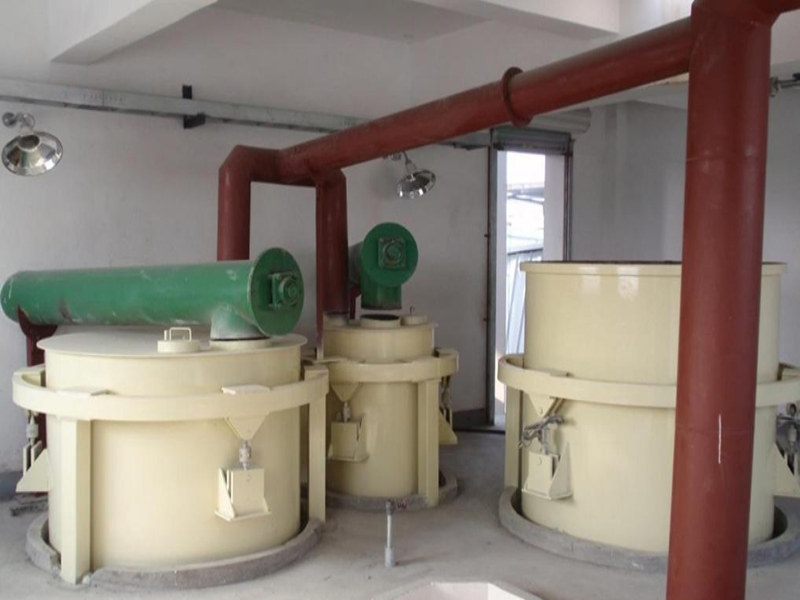
The foundation of any successful AAC production operation begins with precise material preparation. The batching system controls the exact proportions of cement, lime, silica sand, aluminum powder, and water. Modern systems employ computer-controlled mechanisms that measure ingredients to within fractions of a percent, ensuring consistency across every production batch.
The mixer thoroughly combines these materials to achieve the proper consistency. Industrial mixers for AAC production typically operate at specific speeds and durations optimized for material performance. The mixing process creates a homogeneous slurry that will eventually become the AAC block structure.
Casting and Curing Systems
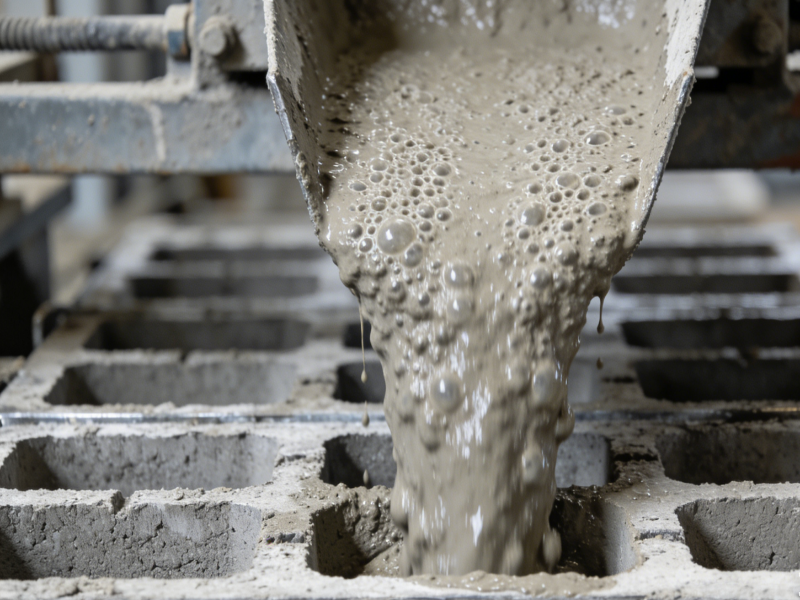
The pouring mechanism distributes the prepared slurry into molds with extreme precision. Once poured, the chemical reaction begins as aluminum powder reacts with the alkaline environment, creating hydrogen gas bubbles that provide the characteristic cellular structure of AAC blocks.
After initial expansion and partial curing in ambient conditions, blocks move to the autoclave chamber. This pressure vessel subjects the material to high-temperature steam (typically 180-190 degrees Celsius) and pressure (8-12 bars), accelerating the hydration process and creating the permanent structure within hours rather than days.
Finishing and Handling Equipment
Once removed from the autoclave, blocks undergo precise cutting using specialized cutting machinery that creates uniform dimensions. The separator collects cut blocks and arranges them for storage and packing. Advanced systems include robotic handlers that minimize manual intervention and reduce damage during material movement.
The AAC Block Manufacturing Process Explained
Stage One: Material Preparation and Batching
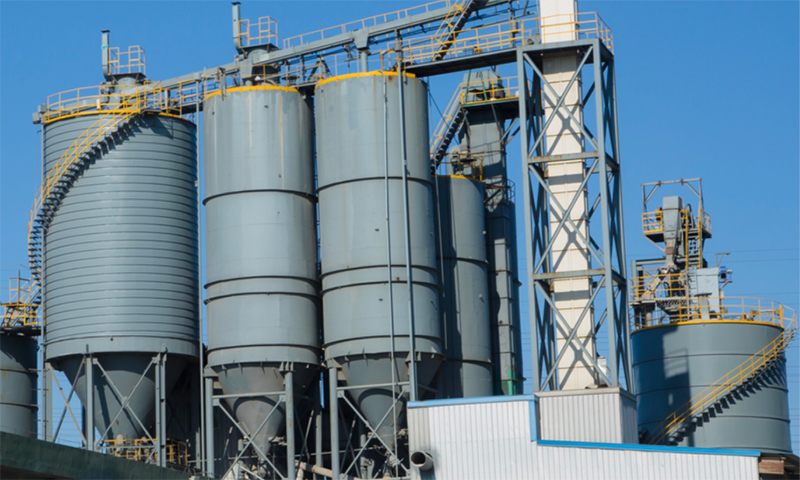
The manufacturing process begins in the raw materials section, where cement, lime, sand, and other ingredients are stored in dedicated silos. The batching system automatically dispenses precise quantities based on the production schedule and quality specifications. Temperature-controlled water is added simultaneously to achieve the target slurry consistency.
Stage Two: Mixing and Slurry Preparation
Materials enter the mixer where high-shear mixing ensures complete homogenization. The duration and intensity of mixing directly impact the final product quality. Properly mixed slurry demonstrates optimal flow characteristics necessary for the subsequent expansion phase.
Stage Three: Pouring and Expansion
The prepared slurry flows into steel or aluminum molds. Aluminum powder immediately begins reacting, generating millions of gas bubbles that create the cellular structure. This controlled expansion is critical—too rapid and the block becomes weak; too slow and blocks fail to achieve target density. The entire expansion process typically requires 45-90 minutes depending on ambient conditions and material composition.
Stage Four: Cutting and Separation
Once expanded and partially set, the material block (approximately the size of several finished blocks) is removed from the mold. Horizontal and vertical wire cutting systems simultaneously cut the mass into individual blocks of precise dimensions. Advanced cutting machinery maintains tolerances within a few millimeters, essential for proper wall construction.
Stage Five: Autoclave Treatment
Cut blocks enter the autoclave chamber where they undergo high-pressure steam curing. This critical stage transforms the partially cured material into permanent AAC blocks with superior strength and durability. The process typically requires 8-12 hours at controlled temperature and pressure conditions.
Stage Six: Drying and Packing
Post-autoclave blocks contain residual moisture that must reach equilibrium levels. Storage areas provide natural drying during several days of ambient air exposure. Once properly dried and quality-verified, blocks are automatically palletized and prepared for shipment using industrial packing systems.
Comparing Production Line Configurations
Different manufacturing facilities operate distinct production configurations based on output requirements, available space, and capital investment levels. Understanding these variations helps industry professionals select appropriate equipment for their operational needs.
| Configuration Type | Daily Capacity | Floor Space | Equipment Count |
|---|---|---|---|
| Compact Line | 15-25 cubic meters | 800-1200 square meters | 4-5 major units |
| Standard Line | 30-50 cubic meters | 1500-2000 square meters | 6-8 major units |
| Large-Scale Line | 75-150 cubic meters | 2500-4000 square meters | 10-15 major units |
Capacity Considerations
Production capacity depends on several interconnected factors: autoclave size and number of cycles per day, material preparation speed, cutting machinery throughput, and auxiliary equipment efficiency. Modern high-capacity facilities operate continuously with minimal downtime, requiring sophisticated scheduling systems and preventive maintenance protocols.
Key Technical Specifications and Standards
Block Dimensions and Density
AAC blocks are manufactured to standardized dimensions that ensure compatibility with construction requirements. Common sizes include blocks ranging from 100mm to 300mm in width, with lengths from 300mm to 600mm and heights from 100mm to 250mm. Density typically ranges from 400 to 800 kilograms per cubic meter, providing the ideal balance between weight reduction and structural performance.
Strength and Performance Characteristics
Modern AAC blocks demonstrate compressive strength between 3.5 and 7.5 megapascals depending on material composition and production parameters. This level of strength satisfies requirements for multi-story residential and commercial construction. Thermal conductivity values range from 0.08 to 0.15 watts per meter-kelvin, providing exceptional insulation properties that contribute to building energy efficiency.
Quality Control Parameters
Professional AAC manufacturing plants implement rigorous quality monitoring throughout production. Water absorption, dimensional accuracy, surface texture, and structural integrity are continuously tested. Modern facilities use non-destructive testing methods and automated measurement systems to ensure every block meets specifications before shipping.
Automation and Industry 4.0 Integration
Smart Manufacturing Systems
Contemporary AAC block production lines increasingly incorporate automation and digital monitoring systems. Industrial control systems manage equipment sequencing, optimize material flow, and coordinate autoclave cycles for maximum efficiency. These systems reduce human error, minimize material waste, and improve overall productivity.
Data Collection and Process Optimization
Modern production facilities employ sensors throughout the manufacturing process to collect real-time data. Temperature sensors monitor autoclave conditions, pressure transducers verify steam chamber parameters, and dimensional sensors validate block accuracy. This data feeds into management systems that identify optimization opportunities and predict maintenance requirements before equipment failures occur.
Efficiency Improvements
Automation creates measurable improvements across multiple operational metrics:
- Material waste reduction by 15-25 percent through precise batching control
- Energy consumption optimization via predictive autoclave scheduling
- Labor requirement reduction through equipment automation
- Product quality consistency improvement with computer-managed processes
- Production schedule flexibility through programmable system configurations
Environmental and Sustainability Considerations
Raw Material Sourcing
AAC production can incorporate sustainable material choices including industrial byproducts like fly ash and recycled materials. Sourcing strategies that minimize transportation distances and utilize locally available aggregates reduce the environmental footprint of manufacturing operations. Progressive facilities investigate possibilities for material substitution that maintains product performance while reducing environmental impact.
Energy Efficiency
The autoclave stage represents the most energy-intensive component of AAC manufacturing. Modern equipment incorporates improved insulation, optimized steam distribution systems, and waste heat recovery mechanisms. These enhancements reduce energy consumption per cubic meter of finished product by 20-30 percent compared to older generation equipment.
Waste Management and Recycling
Scrap blocks from cutting operations and rejected material can be crushed and reintegrated into new batches, creating closed-loop recycling systems. Wastewater from cleaning operations undergoes treatment before discharge or reuse in subsequent batches. Progressive manufacturers implement zero-waste initiatives where feasible, directing all material byproducts to beneficial reuse pathways.
Carbon Footprint Reduction
AAC blocks themselves contribute to lower building carbon footprint through superior thermal performance, reducing operational energy consumption throughout building life. Manufacturing facilities that transition to renewable energy sources or implement combined heat and power systems further reduce their direct carbon emissions.
Operational Challenges and Solutions
Maintaining Consistent Quality
Quality consistency demands rigorous control of multiple variables simultaneously: raw material composition, water chemistry, mixing duration, expansion timing, autoclave temperature and pressure, and cooling rates. Even minor variations can affect final product properties. Solution: Implement automated monitoring systems with alarm conditions that halt production when parameters drift beyond specified ranges.
Equipment Maintenance and Downtime
The autoclave represents the production bottleneck—equipment malfunction directly halts entire facility output. Corrosion from steam and high-pressure conditions creates maintenance challenges. Solution: Establish comprehensive preventive maintenance schedules with spare components inventory and trained technician availability to minimize unplanned downtime.
Material Variability
Raw material properties vary depending on supplier, seasonal conditions, and geographic sources. Sand gradation, cement chemistry, and water mineral content all influence final product characteristics. Solution: Develop supplier specifications requiring consistent material properties, implement incoming material testing protocols, and adjust batch recipes to compensate for minor variations.
Market Demand Fluctuations
Construction cycles create significant demand volatility requiring production flexibility. Overproduction during peak periods strains storage capacity; underproduction during slowdowns leaves equipment idle with fixed costs continuing. Solution: Design flexible production configurations allowing capacity modulation, develop secondary product lines, and maintain strategic inventory buffers.
Investment and Financial Considerations
Capital Requirements
Establishing a new AAC block manufacturing facility represents significant capital investment. Compact production lines require approximately 3-5 million dollars, while large-scale integrated facilities may exceed 25-50 million dollars depending on geographic location, local regulations, and technology specifications. These investments include land acquisition, building construction, equipment procurement, and installation commissioning.
Operating Cost Structure
Ongoing operational expenses include raw material costs (typically 35-45 percent of product cost), energy consumption (25-35 percent), labor and staffing (15-20 percent), and maintenance plus depreciation (10-20 percent). Geographic location significantly influences energy costs, labor availability, and material transportation expenses.
Revenue Models and Profitability
Revenue derives from selling finished blocks, with pricing influenced by regional demand, transportation costs, competitive landscape, and construction activity levels. Facilities that operate near maximum capacity and achieve efficient resource utilization demonstrate superior profitability. Additional revenue streams may include custom block production, specialized products, and waste material recycling services.
Return on Investment Timeline
Typical AAC manufacturing facilities achieve return on investment within 5-8 years under favorable market conditions and efficient operations. Extended payback periods may result from slower market adoption, higher-than-expected operating costs, or equipment reliability issues. Feasibility analysis for new facilities requires realistic assumptions about production capacity utilization and market pricing stability.
Emerging Technology Trends in 2026
Advanced Material Innovation
Research continues into material compositions that improve performance characteristics while reducing environmental impact. Bio-based additives, alternative binders, and engineered fiber reinforcement represent areas of active development. These innovations promise enhanced durability, superior acoustic properties, and improved fire performance.
Artificial Intelligence Applications
Machine learning algorithms increasingly optimize production parameters by analyzing historical performance data. Predictive systems forecast equipment maintenance requirements before failures occur, while pattern recognition identifies subtle correlations between input variables and product quality outcomes. AI-driven systems continuously improve production efficiency through algorithmic refinement.
Robotics and Autonomous Systems
Robotic systems handle material movement with greater precision and consistency than manual methods. Autonomous mobile robots transport materials between production stages, while collaborative robotic arms perform specialized tasks alongside human workers. These systems improve safety, reduce labor intensity, and enable 24-hour continuous operations.
Digital Twinning and Simulation
Virtual production line models enable manufacturers to test process modifications before implementation in actual facilities. Digital twins simulate equipment behavior, predict bottleneck formation, and optimize scheduling without disrupting active production. This capability accelerates continuous improvement initiatives and reduces risks associated with operational changes.
Global Market Dynamics and Regional Growth
Market Expansion Drivers
Multiple factors propel AAC block adoption globally: increasing environmental regulations favoring sustainable materials, urbanization creating construction demand, building code evolution recognizing energy efficiency benefits, and cost competitiveness compared to alternative building systems. These drivers manifest differently across regions based on local economic development, building traditions, and regulatory environments.
Regional Production Variations
Different geographic regions emphasize distinct product specifications and production approaches. European facilities typically prioritize high-quality, precisely dimensioned blocks and automated processing. Asian manufacturers often focus on high-capacity operations with cost optimization. North American facilities balance automation with flexibility to serve diverse architectural preferences.
Supply Chain Considerations
Successful AAC manufacturers develop robust supply chains for raw materials, energy sources, and shipping logistics. Geographic proximity to sand and aggregate sources reduces material costs. Access to reliable electricity supply and steam generation capacity proves essential. Proximity to major construction markets minimizes distribution costs and delivery times.
Frequently Asked Questions
Q1: What is the minimum production capacity for a viable AAC manufacturing operation?
Facilities with daily output below 15 cubic meters typically struggle with profitability due to high fixed costs spread across limited production volume. Minimum viable operations usually target 20-30 cubic meters daily output, requiring appropriate market demand to sustain consistent utilization rates.
Q2: How long does the complete AAC manufacturing process take from raw materials to finished blocks?
The actual processing time spans 20-24 hours: material preparation (30 minutes), mixing (15-20 minutes), pouring and expansion (60-90 minutes), autoclave treatment (8-12 hours), cooling and drying (variable based on storage conditions). Total facility throughput time from raw materials to packed product typically requires 2-3 days including storage and final processing stages.
Q3: What quality standards do AAC blocks need to meet?
AAC blocks must comply with international standards including ASTM C1386 (United States), EN 12602 (Europe), and equivalent standards in other regions. Standards specify compressive strength, dimensional accuracy, water absorption, thermal properties, and durability characteristics. Third-party testing verifies compliance, and certificates accompany commercial shipments.
Q4: Can existing cement production facilities transition to AAC block manufacturing?
While cement facilities possess some relevant knowledge and infrastructure, AAC manufacturing requires substantially different equipment and processes. The autoclave technology, mold systems, and cutting machinery represent dedicated AAC-specific investments. Existing facilities could potentially integrate AAC production as a complementary operation, but significant additional capital investment remains necessary.
Q5: How does weather affect AAC block production?
Extreme temperatures and humidity levels impact the expansion phase before autoclave treatment. Very cold ambient conditions slow expansion, while excessive heat may accelerate it beyond optimal rates. Modern facilities address these challenges through climate-controlled production areas maintaining stable temperature and humidity conditions year-round.
Q6: What training is required for facility operators and technicians?
Operators require comprehensive training covering equipment operation, safety protocols, and quality monitoring procedures. Technicians need specialized knowledge of mechanical systems, electrical controls, and autoclave operation. Most equipment suppliers provide initial training, with ongoing professional development ensuring staff maintains current knowledge of equipment and process improvements.
Q7: How are blocks transported and stored after production?
Finished blocks are palletized using automated systems, with specific pallet configurations developed for efficient shipping. Blocks require dry storage protecting them from excessive moisture exposure, though they tolerate outdoor storage better than many alternative materials. Proper storage prevents damage and maintains block properties until installation.
Q8: What is the typical lifespan of AAC production equipment?
Well-maintained equipment typically operates productively for 15-20 years or longer. Autoclaves require more frequent maintenance due to steam and pressure stress. Cutting machinery experiences wear requiring periodic blade replacement and component refurbishment. Proper maintenance schedules and component replacement extend equipment life significantly.
Conclusion: The Future of AAC Block Manufacturing
The aac block production line technology continues evolving to meet demands for sustainable building materials, operational efficiency, and product innovation. Modern facilities integrate automation, digital monitoring, and continuous improvement methodologies to optimize every aspect of production. These advancements make AAC blocks increasingly competitive in global construction markets while reducing environmental impact.
Success in AAC manufacturing requires thorough understanding of equipment capabilities, manufacturing processes, quality requirements, and market dynamics. Operators, investors, and construction professionals who master these elements position themselves to benefit from growing global demand for this superior building material. As construction industry standards increasingly emphasize sustainability and energy efficiency, AAC blocks will continue gaining market share across residential, commercial, and industrial applications worldwide.